
A universal approach that works across instruments and genres.
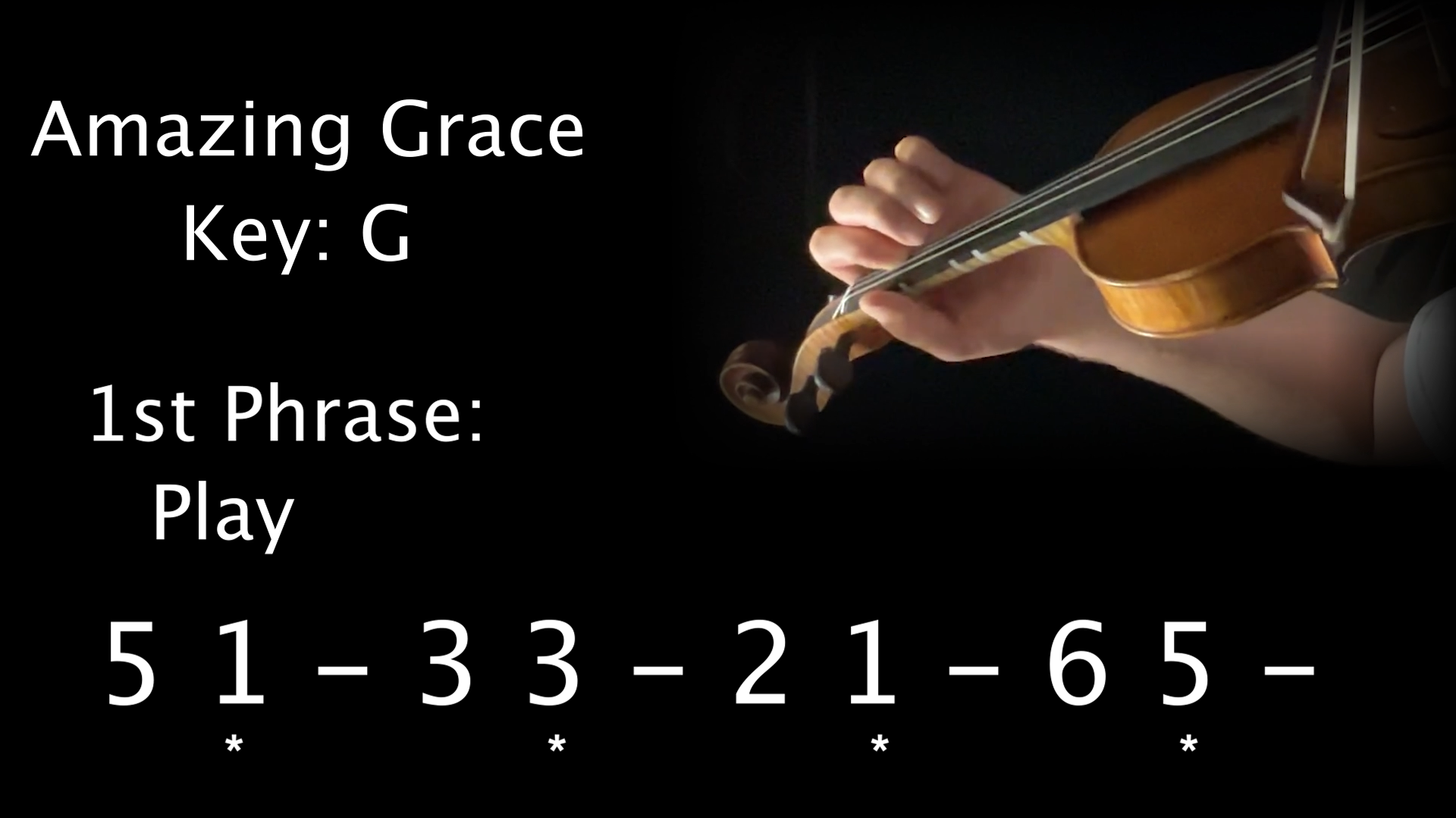
Numbers help connect the dots between what you hear, what you understand, and what you play.
The concept is simple: assign a number to each note of the scale.
Hear the melody. Sound it out with numbers. Find it on your instrument. Repeat.
Students are often surprised by what happens next: they’ve learned a tune, a familiar jingle, or even part of a solo by ear and on their own. Better yet, the same musical relationships can be recognized on another instrument or in another key.
The numbers are only the starting point. The goal is to understand what you’re hearing well enough to explore, create, and play with others more independently.
Try this:
Sing these numbers to the melody of Twinkle Twinkle Little Star
1 - 1 - 5 - 5 - 6 - 6 - 5 —
4 - 4 - 3 - 3 - 2 - 2 - 1 —
If you know your scale, you now know where to find every note.
You didn’t memorize a string of note names. You recognized the relationships between the notes.
That pattern stays the same on another instrument.
It stays the same in another key (using a different scale).
Now try one yourself.
Hear a major scale in your head:
1 2 3 4 5 6 7 8
Can you hear this melody?
1 - 2 - 3 - 1
1 - 2 - 3 - 1
3 - 4 - 5 —
3 - 4 - 5 —
Recognize it? Now find it on your instrument.
(Answer at the bottom of the page)
What you’ll learn:
Play by Ear
Recognize Patterns
Trust Your Ear & Self-Correct
Transpose to Any Key
Improvise & Create
Make Choices Within Structure
Build Musical Independence
Listen, Respond & Collaborate
Build the independence to explore music for yourself and the confidence to create it with others.
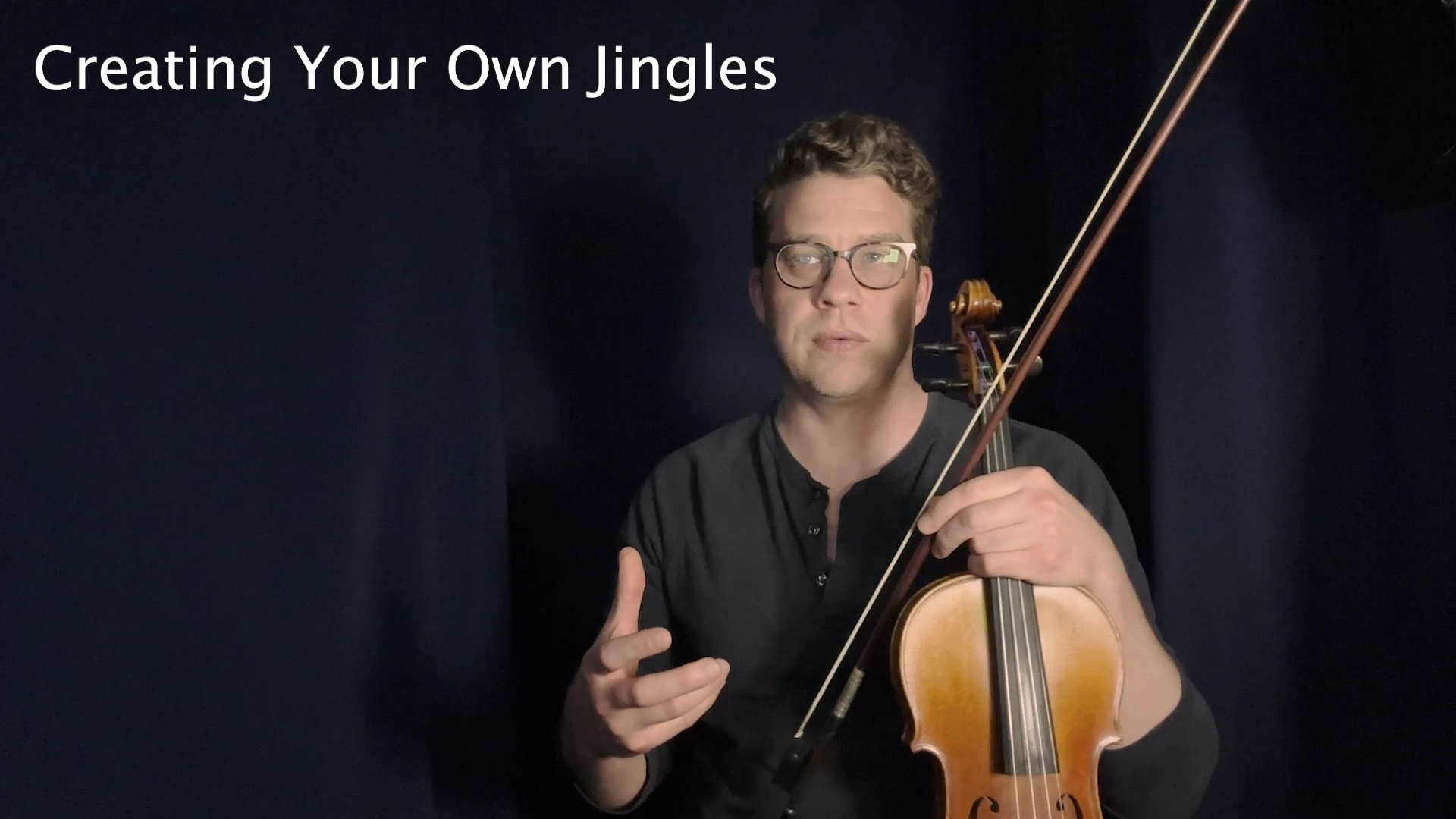
I’m not here to bash standard music notation.
I use it every day, and it’s an essential part of learning music. But numbers can make intervals and relationships between notes easier to hear, visualize, and remember. More importantly, they encourage you to listen and think before you play.
Like anything in music, developing accuracy takes practice, so we’ll start simple. Over time, these skills become part of the way you hear and understand music, carrying into every part of your playing: style, dynamics, feel, tone, and, of course, intonation.
Become more self-reliant. Trust your ear. Recognize when something sounds right, when it doesn’t, and learn how to find your own way forward without guessing.
How’s my pitch?
Start hearing the music differently.
(Frère Jaques)